
SS-31 Quick Reference
Reference arithmetic for the illustrated vial. The final volume below is an example, not an instruction for a specific product.
- Vial contents
- 50 mg SS-31
- Final volume
- 3 mL
- Concentration
- 16.67 mg/mL
- One U-100 unit
- 166.67 mcg in 0.01 mL
SS-31 Dosage Chart
Dosing & Reconstitution Guide
Educational guide for reconstitution and daily dosing
Standard / Gradual Approach (3.0 mL = ~16.67 mg/mL)
| Week | Daily Dose (mg) | Units (per injection) (mL) |
|---|---|---|
| Weeks 1–2 | 5 mg (5000 mcg) | 30 units (0.30 mL) |
| Weeks 3–8 | 10 mg (10,000 mcg) | 60 units (0.60 mL) |
Frequency shown: Inject once daily subcutaneously at a consistent time. This 50 mg vial reconstituted with 3.0 mL gives the concentration and unit conversions shown above.
Product distinction: FDA-labeled FORZINITY (elamipretide) is 80 mg/mL and is indicated for Barth syndrome in patients weighing at least 30 kg, at a labeled dose of 40 mg once daily. Its label does not validate this 50 mg vial, the assumed 3 mL dilution, or the 5 mg / 10 mg schedule shown here. This chart is a math example, not preparation or injection guidance. See the FDA prescribing information.
Concentration & Measurement
A vial’s labeled amount and its final solution volume describe different quantities. Divide the amount by the final volume to calculate concentration. Keep the same mass or activity unit throughout the calculation.
| Calculation | Relationship |
|---|---|
| Concentration | Vial amount ÷ final solution volume |
| Volume for an example amount | Example amount ÷ concentration |
| U-100 scale marking | Volume in mL × 100 |
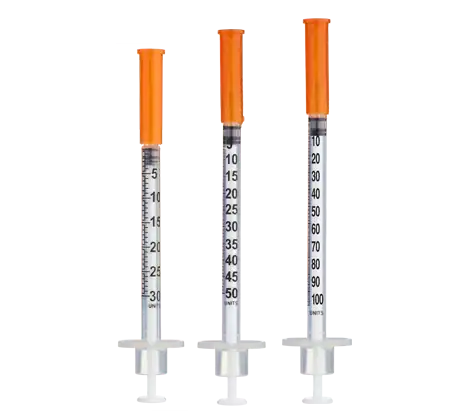
One U-100 scale unit represents 0.01 mL on that device. It does not define a universal peptide dose. IU measure substance-specific biological activity; do not apply an IU-to-mg conversion from a different substance.
Use the calculator to check an arithmetic example. A tool cannot decide which clinical dose or preparation is appropriate.
Product & Preparation Context
For SS-31, confirm the exact product name, labeled strength, formulation and intended use before interpreting a reference page. Similar names or vial sizes do not establish that products are interchangeable.
Use the diluent, final volume, preparation method and storage conditions specified by the manufacturer or dispensing pharmacy. A research label, visual illustration or online chart does not establish identity, sterility or suitability for administration.
For general concepts, read the reconstitution guide and the measurement guide.
Vial & Supply Images
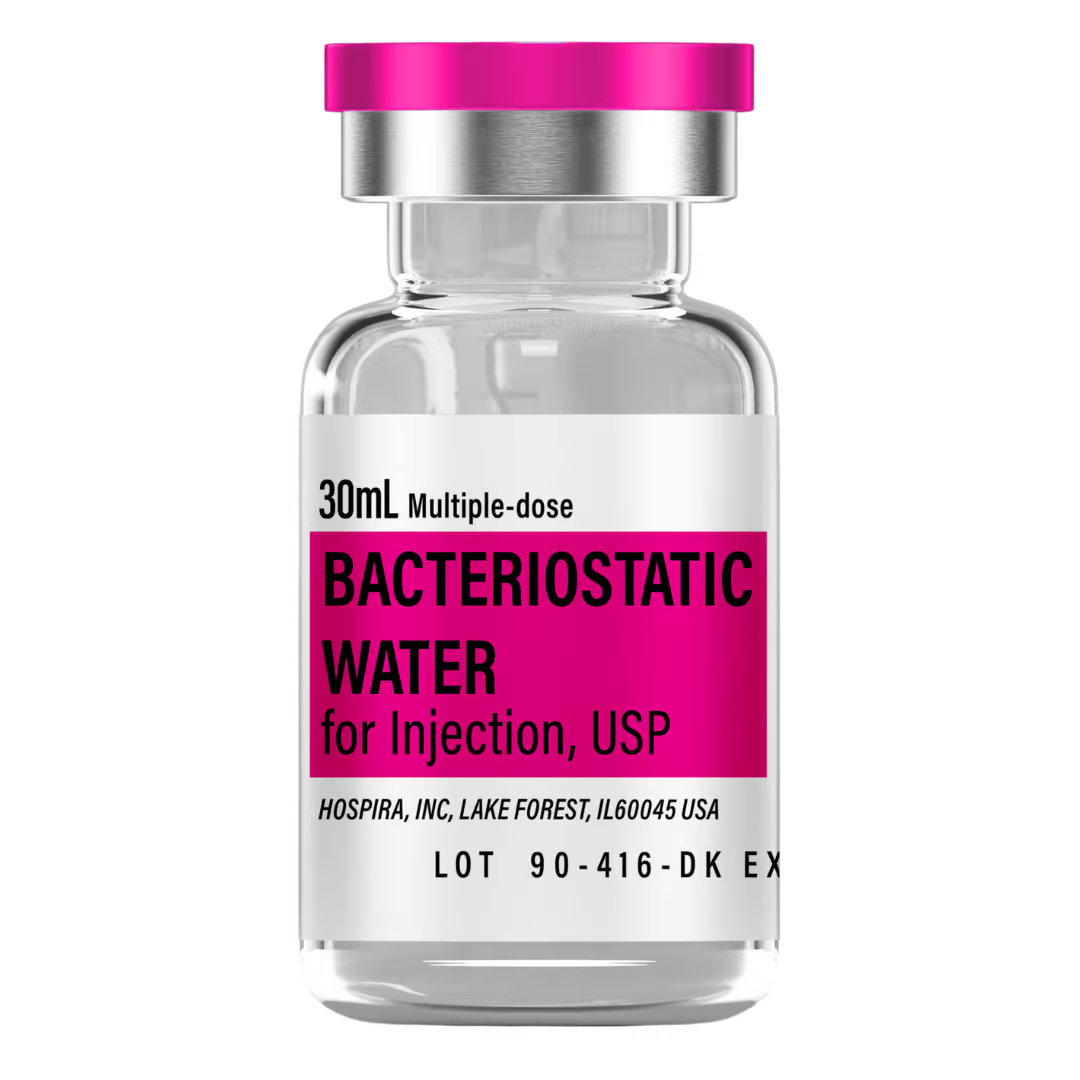
Images from the HowToPeptide Media Library are shown below to identify the illustrated vial and supplies. Their inclusion is not a recommendation to buy a product or use a particular preparation method.
Research Context & Sources
When reading evidence about SS-31, distinguish the study’s actual formulation, route, population and endpoint from a general claim about a compound. Findings in cells or animals do not establish clinical benefit in people. A directory entry is not regulatory approval.
Clinical amounts, frequency and treatment duration depend on the exact product, indication and individual assessment. This page does not provide an individualized regimen.
- Research source 1 · www.mdpi.com
- Research source 2 · www.ncbi.nlm.nih.gov
- Research source 3 · www.fda.gov
- Research source 4 · www.jacc.org
- Research source 5 · n.neurology.org
- Research source 6 · www.nature.com
- Research source 7 · www.sciencedirect.com
- Research source 8 · www.ncbi.nlm.nih.gov
- Research source 9 · www.alzdiscovery.org
- Research source 10 · www.ncbi.nlm.nih.gov
- Research source 11 · www.cdc.gov
- Research source 12 · www.hopkinsarthritis.org
- Research source 13 · www.ncbi.nlm.nih.gov
- Research source 14 · www.ncbi.nlm.nih.gov
- Research source 15 · pubmed.ncbi.nlm.nih.gov
- Research source 16 · pubmed.ncbi.nlm.nih.gov
- Research source 17 · pubmed.ncbi.nlm.nih.gov
- Research source 18 · pubmed.ncbi.nlm.nih.gov
- Research source 19 · pubmed.ncbi.nlm.nih.gov
- Research source 20 · pubmed.ncbi.nlm.nih.gov
- Research source 21 · pubmed.ncbi.nlm.nih.gov
Storage & Handling
Keep the exact product’s instructions with the vial. Record preparation and discard dates where applicable. Protect the product from temperature excursions and other conditions outside its documented limits.
A clear solution does not prove sterility or potency. Set aside a vial with a damaged seal, unreadable label, unknown history or unexpected appearance and ask a qualified professional to assess it.
See the storage guide and CDC injection safety guidance.