
On this page
- Quick reference
- Dosage chart and four steps
- Supplies needed
- Peptide Reconstitution Simulator
- Vial strength and concentration
- Research overview
- Interpreting published protocols
- Storage and labeling
- Important research limitations
- Why delivery pattern matters
- Evidence and clinical context
- Keeping useful research records
- Measurement checks
- Important note
- References
- Related research, protocols, and guides
Gonadorelin Quick Reference (2 mg Vial)
- Vial contents
- 2 mg Gonadorelin
- Final volume
- 2 mL
- Concentration
- 1 mg/mL
- One U-100 unit
- 10 mcg in 0.01 mL
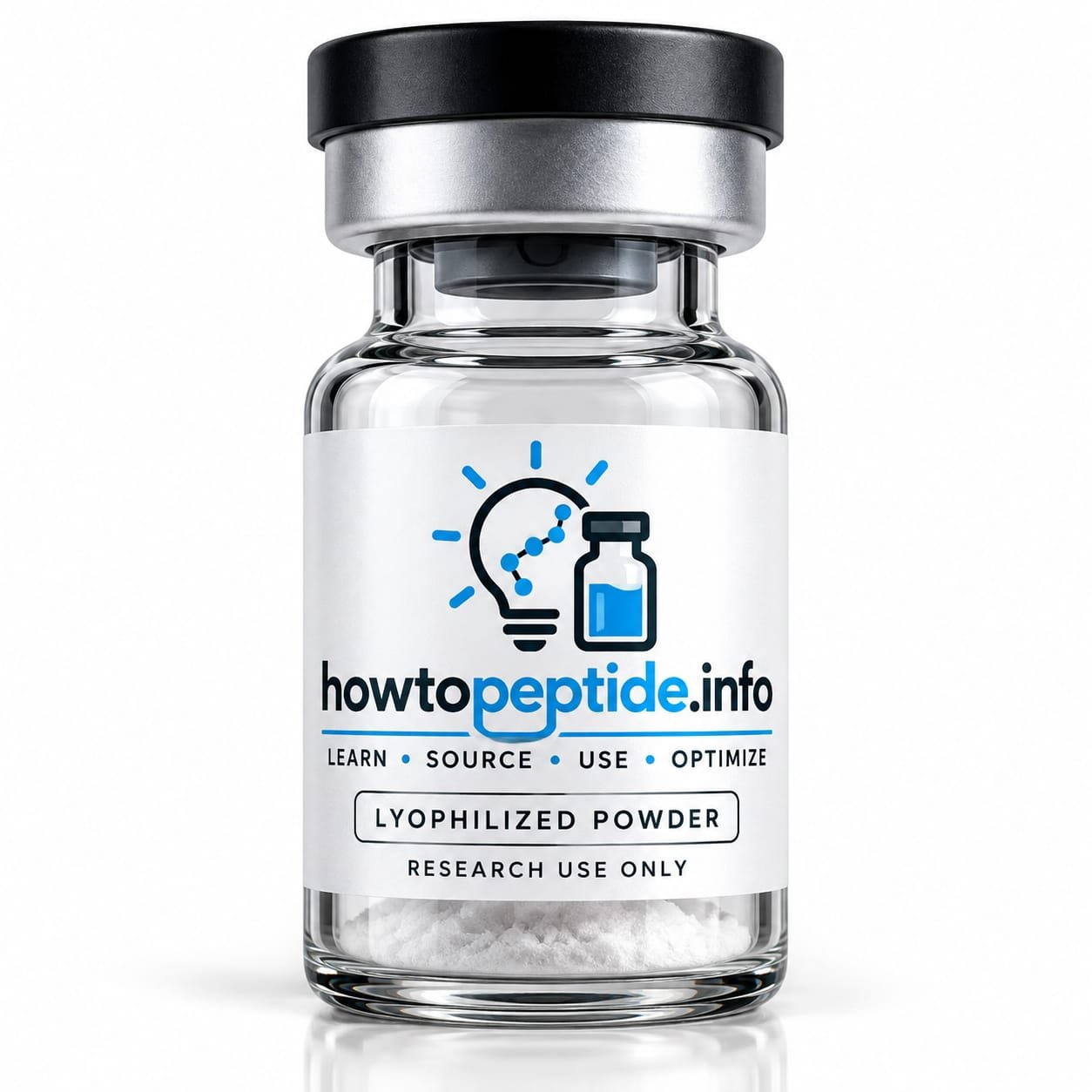
Concentration reference: verify the labeled mass and final volume together before interpreting any measurement.
Gonadorelin Dosage Chart
Dosing & Reconstitution Guide
Educational guide for reconstitution and periodic dosing.
Standard / Maintenance Approach (2 mL = 1 mg/mL)
Route: Subcutaneous injection. Frequency: 2–3 times per week on non-consecutive days (e.g., Monday/Wednesday/Friday or Tuesday/Thursday/Saturday).
| Week/Phase | Dose per Injection (mcg) | Units (mL) |
|---|---|---|
| Weeks 1–2 (Initiation) | 50 mcg | 5 units (0.05 mL) |
| Weeks 3–4 (Titration) | 100 mcg | 10 units (0.10 mL) |
| Weeks 5–8 (Maintenance) | 100–150 mcg | 10–15 units (0.10–0.15 mL) |
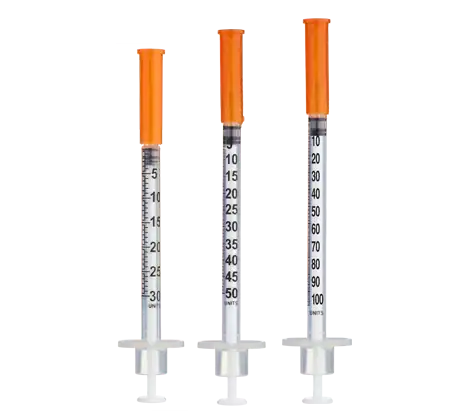
For ≤10-unit (≤0.10 mL) administrations, consider 30- or 50-unit insulin syringes for improved readability.
Reconstitution Steps
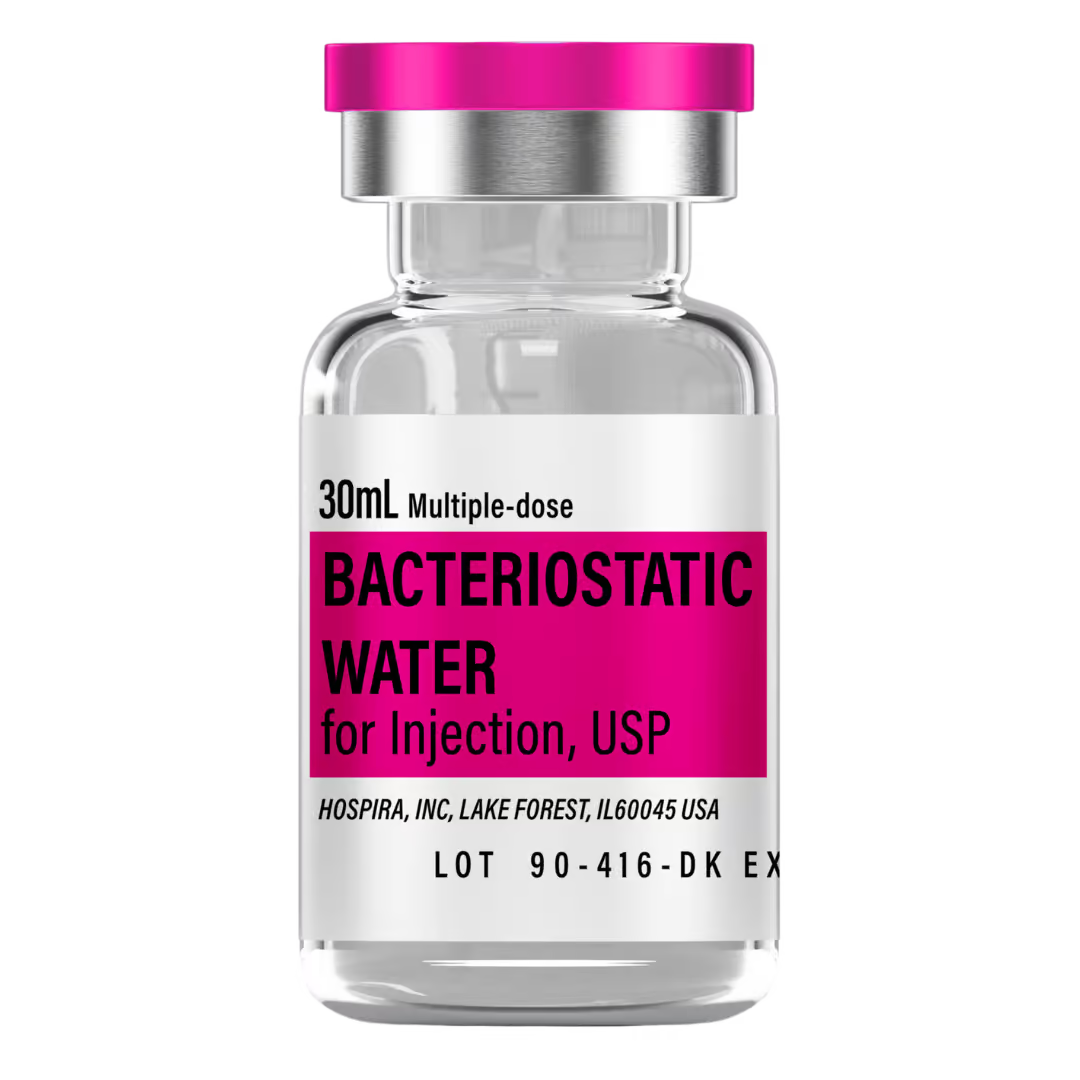
- Draw 2.0 mL bacteriostatic water with a sterile syringe.
- Inject slowly down the vial wall; avoid foaming.
- Gently swirl or roll until dissolved. Do not shake.
- Label concentration (1 mg/mL) and date; refrigerate at 2–8 °C (35.6–46.4 °F), protected from light.
Advanced / Post-Cycle Support Approach
Route: Subcutaneous injection. Frequency: Daily or every other day for short cycles (limit to ≤14 consecutive days).
| Week/Phase | Dose per Injection (mcg) | Units (mL) |
|---|---|---|
| Days 1–7 (Burst) | 200 mcg | 20 units (0.20 mL) |
| Days 8–14 (Taper) | 100 mcg | 10 units (0.10 mL) |
| Week 3+ (Optional Maintenance) | 100 mcg 2–3×/week | 10 units (0.10 mL) |
Important: This guide is for educational purposes only and is not medical advice. For research use only. Not for human consumption.
Supplies Needed
Equipment reference for measurement and documented laboratory procedures. Product-specific requirements take precedence over a generic equipment list.
Gonadorelin 2 mg
Peptide Reconstitution Simulator
Practice preparing this vial with the verified strength and final volume from this protocol.
Vial strength and concentration
A 2 mg label describes the mass in a vial. A 2 mL final volume produces 1 mg/mL. One U-100 unit represents 0.01 mL and therefore 10 mcg at this concentration. A different final volume requires a new calculation.
Research overview
A published retrospective cohort studied pulsatile GnRH pump therapy in 66 women with functional hypothalamic amenorrhea. The researchers evaluated fertility outcomes in a specialist clinical setting. This is a specific population and administration method, rather than validation of a general vial schedule. [1]
Interpreting published protocols
Read the patient population, formulation, delivery method and monitoring alongside any amount reported in a study. A periodically programmed pump and occasional manual injections are different delivery patterns. Do not infer interchangeability from the compound name alone.
Storage and labeling
Follow the exact product documentation for temperature, light exposure and the discard interval. Record the compound, lot, final volume, concentration and preparation date. Appearance alone cannot establish sterility, potency or shelf life.
Important research limitations
The cited cohort was retrospective and conducted at one center. Its observations do not establish an unsupervised regimen for other populations or products. The vial illustration identifies a strength; it does not confirm clinical quality or suitability. [1]
Why delivery pattern matters
The cited clinical research used pulsatile GnRH administration and measured reproductive outcomes. Evaluating a protocol requires understanding its delivery pattern and monitoring. A concentration chart only answers the narrower question of how much mass is contained in a volume. [1]
Evidence and clinical context
The study reported ovulation and live-birth outcomes in women with functional hypothalamic amenorrhea receiving supervised therapy. These findings should remain attached to that clinical context. They are not evidence for every advertised use, patient group or research vial. [1]
Keeping useful research records
Keep supplier documentation, lot identifiers, mass, final volume and all calculations together. Record deviations and observations consistently. Clear records help prevent confusion between different strengths or preparations.
Measurement checks
Confirm the compound and strength before using a chart. Keep milligrams, micrograms, milliliters and syringe units distinct. Verify the measuring-device scale and any rounding. Seek qualified professional guidance for clinical administration.
Important note
This page offers educational concentration calculations and research context. It does not prescribe a dose, injection schedule or treatment cycle. A research label does not establish suitability for human use.
References
- 1. Quaas P, et al. Use of pulsatile gonadotropin-releasing hormone in patients with functional hypothalamic amenorrhea: a 25-year cohort. Journal of Assisted Reproduction and Genetics, 2022.View research study
Related research, protocols, and guides
Explore additional preparation and measurement resources.