
On this page
- Quick reference
- Dosage chart and four steps
- Supplies needed
- Peptide Reconstitution Simulator
- Vial strength and concentration
- Research overview
- Reading the calculation chart
- Storage Instructions
- Ingredient quality and injectable risks
- What research measurements show
- Evidence boundaries
- Research recordkeeping
- Before interpreting a vial protocol
- Important Note
- References
- Related research, protocols, and guides
Glutathione Quick Reference (600 mg Vial)
- Vial contents
- 600 mg Glutathione
- Final volume
- 2 mL
- Concentration
- 300 mg/mL
- One U-100 unit
- 3000 mcg in 0.01 mL
Glutathione Dosage Chart
Dosing & Reconstitution Guide
Educational guide for reconstitution and daily dosing.
Standard / Gradual Approach (2 mL = 300 mg/mL)
| Week | Daily Dose (mg) | Units (per injection) (mL) |
|---|---|---|
| Weeks 1–2 | 100 mg | 33 units (0.33 mL) |
| Weeks 3–4 | 150 mg | 50 units (0.50 mL) |
| Weeks 5–8 | 200 mg | 67 units (0.67 mL) |
Frequency (as reported in the supplied reference): Once-daily subcutaneous use is described, with some reports describing every-other-day or weekly maintenance patterns. These schedules are not established clinical dosing guidance. The table shows arithmetic only: at 300 mg/mL, 100 mg is about 33 units, 150 mg is 50 units, and 200 mg is about 67 units on a U-100 scale. A U-100 marking is a volume measure, and actual device graduations and product instructions matter.
Reconstitution Steps
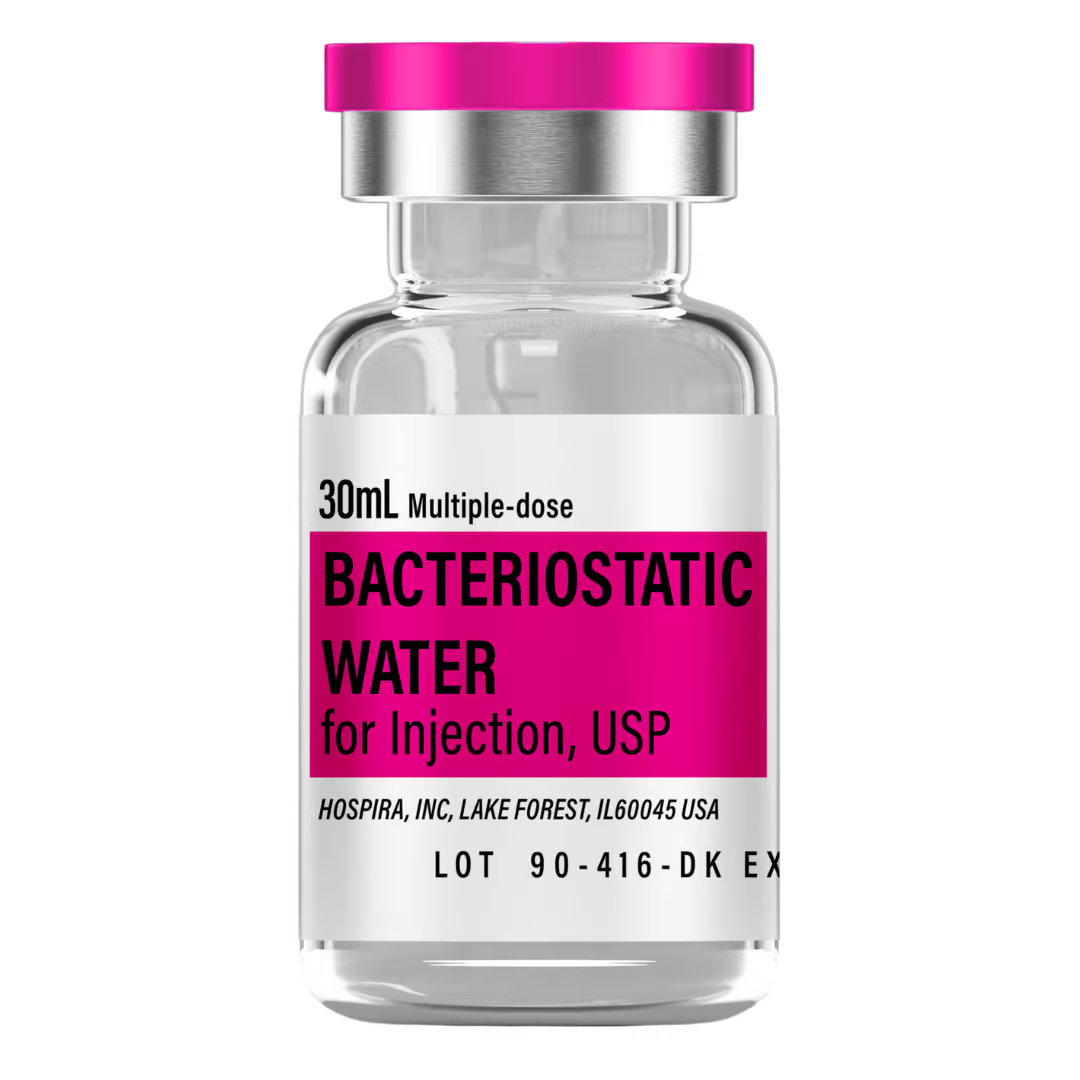
Draw 2.0 mL bacteriostatic water with a sterile syringe.
Inject slowly down the vial wall; avoid foaming.
Gently swirl or roll until dissolved. Do not shake.
Label and refrigerate at 2–8 °C (35.6–46.4 °F), protected from light.
Supplies Needed
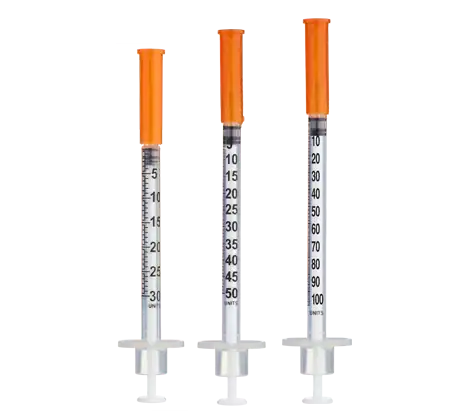
Reference equipment shown below. Exact materials and handling requirements depend on the documented formulation and the laboratory procedure.
Glutathione 600 mg
Peptide Reconstitution Simulator
Practice preparing this vial with the verified strength and final volume from this protocol.
Vial strength and concentration
600 mg divided by 2 mL gives 300 mg/mL. A U-100 marking represents volume: one unit is 0.01 mL. Changing either vial strength or final volume changes the calculation.
Research overview
A randomized oral-supplementation study reported increased glutathione stores after daily oral intake. That result concerns the tested oral products and study conditions. It does not validate a subcutaneous protocol for this vial. [1]
Reading the calculation chart
Read amount, concentration and volume together. Milligrams describe mass; milliliters describe liquid volume. Syringe units describe a volume scale. None of these quantities independently determines how often a product should be administered.
Storage Instructions
Use the exact product and lot documentation for storage temperature, light protection and the discard interval. Record the final volume, concentration and preparation date. Do not infer sterility or a usable shelf life from appearance or refrigeration alone.
Ingredient quality and injectable risks
In August 2026, FDA warned against using dietary-supplement-grade glutathione to make injectable products. The alert described adverse events after intravenous products made from a particular ingredient lot, including hospitalizations. FDA identified impurity and endotoxin concerns and emphasized ingredients appropriate for their intended route. [2]
What research measurements show
Body glutathione stores were an endpoint in the oral trial. A change in a measured biomarker is different from demonstrating a treatment benefit for a particular disease, an injectable formulation or a cosmetic outcome. Keep the study endpoint and administration route visible when interpreting results. [1]
Evidence boundaries
Research recordkeeping
Keep the compound name, supplier, lot, labeled mass, final volume, calculation and applicable product instructions in one record. Document deviations and observations consistently. Accurate records help identify which preparation a calculation describes.
Before interpreting a vial protocol
- Confirm that the label and reference page describe the same compound and strength.
- Check the final volume and measuring-device scale.
- Use formulation-specific instructions and qualified professional guidance for any clinical administration.
- Research-only labeling does not establish suitability for human use.
Important Note
This page provides educational calculations and research context. It does not prescribe an injection, dose, treatment cycle or medical use. Seek qualified clinical advice for health decisions.
References
- 1. Richie JP Jr, et al. Randomized controlled trial of oral glutathione supplementation on body stores of glutathione. European Journal of Nutrition, 2015.View study
- 2. U.S. Food and Drug Administration. Dietary-supplement-grade glutathione and injectable-product quality. August 27, 2026.View FDA alert
Related research, protocols, and guides
Continue with the site’s preparation and measurement resources.